What to Expect From Quality Roof Repairs in Succasunna NJ
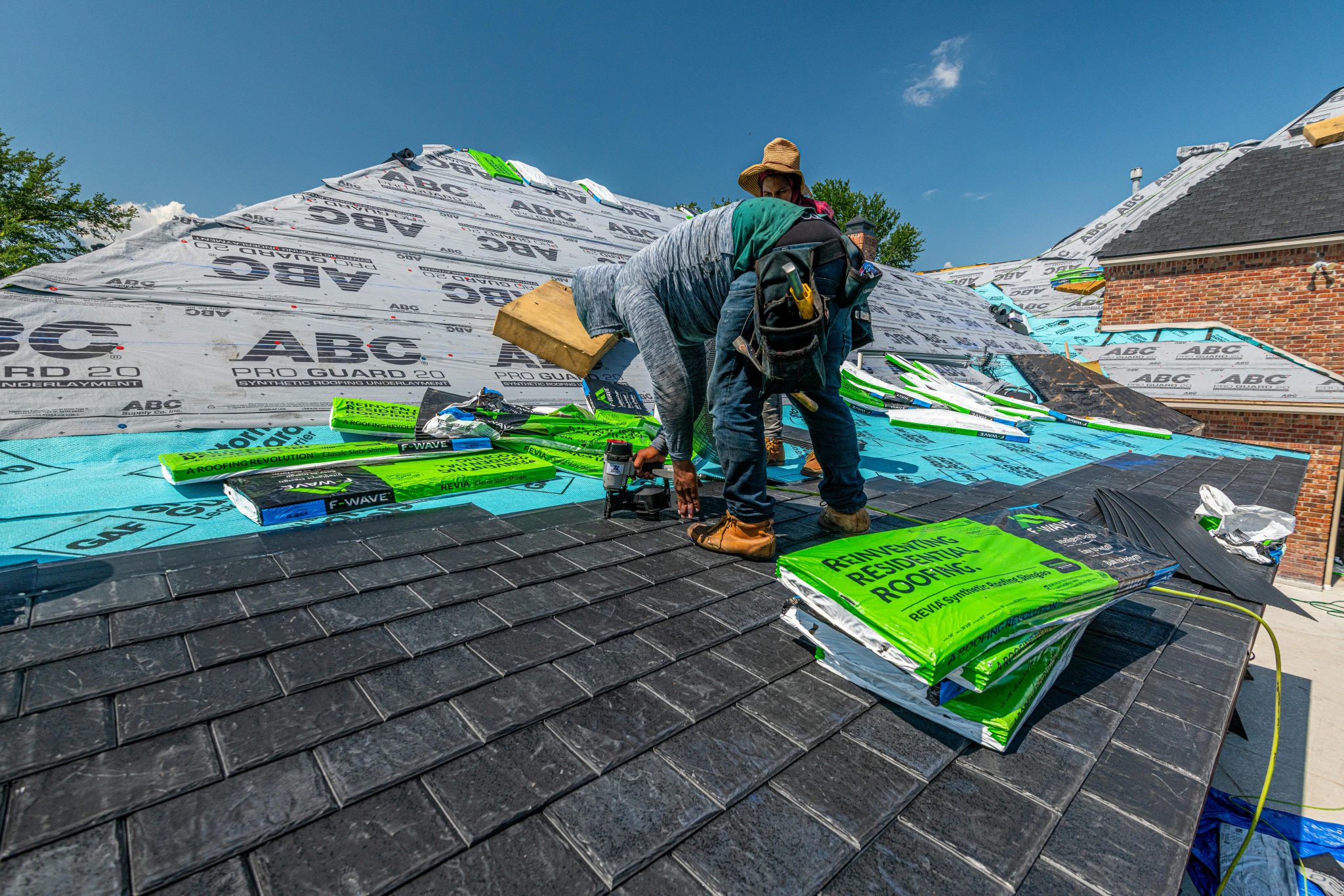
A roof problem rarely arrives at a convenient time. It shows up during a hard rain, after a windy night, or when a brown ceiling stain suddenly appears where there was none a week before. In Succasunna, that timing matters. Morris County homes deal with a real mix of weather conditions, from snow loads and freeze-thaw cycles in winter to humid summers, driving rain, and the occasional strong storm that tests every flashing edge and shingle tab.
That is why quality roof repairs are not just about patching what looks damaged from the ground. Good repair work is diagnostic first, corrective second. The contractor who knows what they are doing will spend as much energy figuring out why the leak happened as they do replacing the visible damaged material. Homeowners searching for Roof Repairs Succasunna NJ often expect a quick fix. What they should really expect is a thoughtful process, clear communication, and workmanship that holds up through the next season.
The real difference between a patch and a repair
A lot of homeowners use the term "repair" to describe anything that stops water from coming in. In practice, there is a meaningful difference between a temporary patch and a proper repair.
A patch is often localized and fast. It might be enough in an emergency, especially if weather is actively coming in and a tarp or sealant buys time. There is a place for that. When a branch punctures a slope the day before another storm, temporary protection is sensible. But quality Roof Repairs go further. They account for surrounding materials, deck condition, underlayment, ventilation, flashing transitions, and the age of the existing roof system.
For example, a leak showing up around a chimney does not always mean the chimney flashing itself failed. Sometimes https://angelokahf686.nexorafield.com/posts/why-local-knowledge-matters-in-roof-repairs-succasunna-nj the real issue is deteriorated shingles just uphill from the flashing. Sometimes ice backup has forced water into an area that looks innocent in dry weather. Sometimes old sealant has cracked, but replacing sealant alone would still leave rusted step flashing hidden under the courses. An experienced roofer knows that visible symptoms are often one or two steps removed from the actual entry point.
That distinction matters because the cheapest fix is not always the least expensive outcome. A small repair done properly can add years to a roof section. A rushed repair that ignores hidden moisture can lead to sheathing rot, moldy insulation, stained drywall, and repeat service calls that end up costing far more.
What a good roofing contractor should inspect first
Quality roof repair starts with inspection, not guessing. On a typical home in Succasunna, that usually means checking both the exterior roof surfaces and the attic or interior ceiling area when possible. The goal is to connect what is happening outside with what the homeowner is seeing indoors.
A solid inspection often focuses on these areas:
- missing, creased, lifted, or broken shingles
- flashing around chimneys, skylights, vents, and wall intersections
- signs of soft decking or trapped moisture beneath roofing materials
- gutter performance, especially where overflow may be backing up onto the roof edge
- attic ventilation and insulation conditions that can contribute to condensation or ice damming
None of that is glamorous, but it is where the real answer usually lives. I have seen leaks blamed on shingles when the culprit was actually a disconnected bathroom vent dumping moisture into the attic. I have also seen a contractor replace a handful of shingles near a stain, only for the ceiling to leak again because the pipe boot six feet above was cracked. Roof systems do not fail in neat little boxes. Water travels. It follows gravity until wind pushes it sideways, then it follows the path of least resistance.
A homeowner should expect the contractor to explain what they found in plain English. Not every customer wants a lecture on underlayment types or flashing geometry, but everyone deserves to know whether the issue is isolated, whether there may be hidden damage, and whether the repair is likely to last or simply stabilize the problem for now.
Why Succasunna homes present specific repair challenges
Local conditions shape repair strategy. That is especially true in northern New Jersey. Homes in Succasunna span different eras, different roof pitches, and different ventilation standards. Some neighborhoods have older homes with multiple additions and layered roofing histories. Others have more modern subdivisions where certain material choices were common during the same build period. Either way, the local climate puts stress on roofing systems in predictable ways.
Winter is one major factor. Snow itself is not always the main issue. The trouble often begins when heat escapes unevenly through the attic, warming sections of the roof just enough to melt snow. Water runs down to the colder eaves, refreezes, and starts building an ice dam. Once that ridge forms, meltwater can back up beneath shingles. Homeowners tend to notice the leak inside and assume the shingles suddenly failed. In many cases, the deeper issue involves ventilation, insulation, or inadequate ice and water protection at vulnerable edges.
Summer creates a different set of stresses. Heat ages shingles, especially on south-facing slopes that take full sun. Sealants around flashing and vent boots can dry out and crack. Afternoon storms bring driven rain that exposes weak transitions around dormers and sidewalls. Add in mature trees, common in many New Jersey neighborhoods, and there is often debris sitting in valleys and gutters, slowing drainage and holding moisture where roofing materials need to dry.
That local context matters because a quality repair in Succasunna should address more than the broken piece. It should account for the weather pattern that caused the damage in the first place.
What you should hear during the estimate
A professional estimate should feel specific. If the conversation stays vague, that is usually a warning sign. "We will patch the leak" is not much of a plan. "We found failed flashing at the chimney base, two damaged shingles uphill, and soft decking at the corner that should be cut back and replaced" is a plan.
Expect the contractor to describe the scope in practical terms. They should explain what materials they intend to use, whether the repair will involve matching existing shingles as closely as possible, whether decking replacement is included if rot is found, and what kind of warranty applies to the work. They should also be honest about limitations. If a roof is near the end of its useful life, an ethical roofer will say so instead of pretending every problem can be repaired indefinitely.
There is also value in hearing what they are not promising. A seasoned contractor knows exact color matches can be difficult on older roofs. Sun fading, discontinued product lines, and regional stock availability all affect appearance. A good company will try to blend the repair well, often by pulling shingles from less visible areas when appropriate, but they should not pretend a ten-year-old weathered roof will look brand new after a localized repair.
This is also the stage where scheduling, weather dependencies, and access concerns should come up. If your driveway is steep, landscaping is tight, or the repair area sits over a delicate porch roof, the crew should account for that. Good roofers think ahead because careless access can create damage separate from the leak itself.
Signs the repair itself is being done right
Homeowners are not expected to climb onto the roof and inspect every nail. Still, there are visible and practical signs that separate quality Roof Repairs from rushed work.
The first is preparation. A careful crew protects siding, shrubs, decks, and walkways before material comes off the roof. They do not toss debris loosely around the property. They control the work area, especially if plywood, shingles, or flashing need to be removed in sections.
The second is selective tear-out. Proper repairs usually require opening enough of the surrounding area to expose the full problem. That may mean lifting adjacent shingles to replace flashing correctly rather than smearing roof cement at the edge and calling it finished. Roof cement has uses, but it is not a cure-all. Excessive visible mastic often signals shortcut work, especially on shingle roofs where properly lapped materials should be doing the waterproofing.
The third is attention to the substrate. If decking is soft, stained, or delaminated, it should be evaluated before new roofing material goes back over it. Installing shingles over compromised wood may hide the issue for a short time, but it does not restore structural integrity or proper nail holding.
The fourth is proper integration. Roofing materials work as a system of overlaps and water shedding layers. A good repair ties new components into the old roof in a way that respects that layering. Flashing pieces should overlap correctly. Underlayment should be positioned with water flow in mind. Nails should be placed where they will be covered and where they will hold effectively without creating unnecessary exposure points.
Finally, cleanup matters more than many people think. Nail pickup, debris removal, gutter clearing, and a final walkaround tell you a lot about the standards of the company. A crew that is meticulous at the end usually was not sloppy in the middle.
The most common repair scenarios, and what they usually involve
In the field, the same few problem categories come up again and again, though the right fix varies by roof age and design. Wind damage is a frequent one. A few lifted or missing shingles can often be repaired without major disruption if the surrounding roof is in decent condition. The key is checking for broken seal strips, creased tabs, and fastener issues nearby, not just swapping the shingles you can see from the lawn.
Flashing failures are another major category. These happen at chimneys, skylights, plumbing vents, walls, and valleys. Quality repair here usually means disassembly to access the transition, replacement of the failed flashing pieces, and careful reinstallation of the surrounding shingles or roofing materials. It is more labor-intensive than a surface patch, but it is usually the right answer.
Vent boot deterioration is common on asphalt shingle roofs that have been exposed to years of sun. The rubber collar around the vent pipe can split or crack, allowing water to enter around the penetration. This is often a straightforward repair if caught early. Left alone, it can stain insulation and ceiling drywall before the homeowner realizes the source.
Leaks around gutters and eaves often relate to drainage. Sometimes the roof is fine, but clogged gutters are forcing water back under the first course of shingles. Sometimes apron flashing or drip edge details were poorly installed from the start. A proper repair may involve both roof edge work and drainage correction.
Then there are the more complex issues, the ones that look small inside but are broad outside. A stain near a window header might trace back to a sidewall flashing issue several feet above. A musty attic may point to a ventilation imbalance that is condensing moisture on cold surfaces rather than a rain leak at all. This is where diagnosis separates experienced contractors from guessers.
When repair makes sense, and when replacement deserves the conversation
Not every roofing issue means it is time for a full replacement. In fact, many roofs have plenty of service life left and only need focused repair. The challenge is knowing when repair is genuinely cost-effective and when it merely delays an inevitable larger project.
A repair often makes sense when the roof is relatively young or middle-aged, the damage is isolated, the decking is largely sound, and matching materials are available or close enough. A single missing section after storm damage, a failed vent boot, or localized flashing trouble can often be addressed successfully.
Replacement deserves a more serious look when the roof has widespread granule loss, recurring leaks in multiple locations, brittle shingles that break during minor handling, or visible sagging related to underlying deterioration. If every repair requires disturbing fragile surrounding materials that no longer reseal properly, the economics begin to shift. At that point, repeated service calls become a slow-motion replacement paid for in installments.
A trustworthy contractor will discuss that balance without pressure. They should be able to say, "Yes, we can repair this, and here is the probable lifespan of that fix," or "We can stop the active leak, but your roof is at a stage where additional issues are likely." That kind of honesty is what homeowners should expect from reputable Roof Repairs Succasunna NJ professionals.
Questions worth asking before the crew starts
Most homeowners do better when they ask a few practical questions upfront. The answers often reveal whether the company has a process or is improvising.
- What exactly is included in the repair scope, and what conditions could change the price?
- If hidden rot or damaged decking is found, how will that be documented and priced?
- Will the repair materials closely match the existing roof, and if not, what should I expect visually?
- How long should this repair reasonably last, given the current age of the roof?
- What warranty covers workmanship, and what is excluded?
These are not adversarial questions. Good contractors hear them every day, and competent ones usually answer them clearly. The goal is not to corner anyone. It is to get enough detail that expectations are realistic on both sides.
The insurance question, and where homeowners get tripped up
Roof repair conversations often drift toward insurance, especially after wind or storm events. It is worth approaching that carefully. Not all roof damage is insurable, and not every leak after a storm came from a storm-created opening. Wear, deferred maintenance, and long-term deterioration are usually treated differently from sudden accidental damage.
A quality roofing contractor should be able to document what they observed, provide photos, and describe the repair scope. They should not promise claim approval, and they should not invent storm damage where normal aging is the more accurate explanation. That kind of overstatement creates problems later.
Homeowners also get tripped up by assuming insurance will pay for a whole roof when only a small section is clearly damaged. Sometimes matching issues complicate matters, but that depends on policy language, state rules, and the specific facts of the loss. The sensible approach is straightforward documentation and realistic expectations, not grand promises.
How long a quality repair should last
This is one of the most common questions, and the only honest answer is that it depends on what failed, how broad the repair area was, and what condition the surrounding roof is in. A properly executed flashing repair on an otherwise healthy roof can last many years. A shingle replacement on a worn, brittle roof may solve one problem while other aged components continue declining around it.
Weather exposure matters too. South-facing slopes, tree cover, roof pitch, and attic ventilation all affect longevity. So does prior workmanship. I have seen repairs fail early not because the last crew installed the visible material poorly, but because they attached new work to a badly built older assembly that was already compromised.
The better metric is not a universal number of years. It is whether the repair addressed root cause, restored proper water-shedding details, and was performed on a roof area that still has meaningful life left. If those conditions are met, quality repairs are often a smart investment.
What homeowners can do after the repair
Once the repair is finished, maintenance becomes the next line of defense. That does not mean obsessive roof watching. It means a little seasonal awareness. Keep gutters clear, especially in the fall. Watch for tree limbs rubbing roof surfaces. Check the attic after major storms if you can do so safely. Pay attention to new stains, musty odors, or changes around ceiling penetrations.
A repaired roof section should not need constant babysitting. Still, light observation catches small changes before they become expensive ones. In my experience, the homeowners who avoid major interior damage are not necessarily the ones who know the most about roofing. They are the ones who notice small changes early and call before water has weeks to spread.
What quality feels like from the homeowner side
At the end of the day, quality roof repair is not only about materials. It is also about how the work is managed. From the homeowner side, quality feels organized. Calls are returned. The estimate matches the visible work. Photos are available when the damage is hard to see from the ground. The crew shows up when promised or communicates quickly when weather changes plans. The repair area is left clean. The explanation makes sense.
That kind of professionalism matters because roofing problems create stress. Water inside the house always feels urgent, and most homeowners are making decisions without being able to inspect the roof themselves. A contractor who combines technical skill with plainspoken communication brings the temperature down. That is often the clearest sign you are dealing with someone who takes Roof Repairs seriously.
If you are evaluating Roof Repairs Succasunna NJ services, expect more than a ladder and a tube of sealant. Expect investigation, specificity, respect for the home, and repair methods that match the actual cause of failure. That is what turns a short-term fix into work you can trust through the next storm, and the season after that.
Royalty Exteriors
Address: 151 NJ-10 Ste 103A, Succasunna, NJ 07876
Phone number: +19733337234
FAQ About Roof Repairs Succasunna NJ
How much should I pay for roof repairs?
Most homeowners pay an average of $900 to $1,200 for roof repairs, with typical projects ranging from $150 to $3,000+ depending on the severity of the damage.
What are the most common roof repairs?
The most common roof repair is fixing water leaks by replacing damaged, cracked, or missing asphalt shingles and sealing compromised flashing.
Does homeowners insurance pay for roof repairs?
Homeowners insurance pays for roof repairs only if the damage is sudden and accidental, such as from a storm, hail, or a falling tree.